
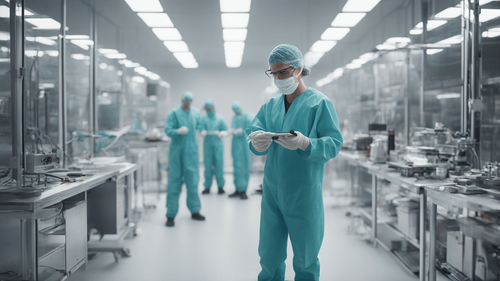
Introduction: Unveiling the Role and Importance of Sterile Processing Technicians
In the complex and rapidly evolving world of healthcare, the role of a sterile processing technician holds utmost significance. These skilled professionals are the unsung heroes of medical facilities, ensuring that surgical instruments and equipment are impeccably clean and safe for patient use. In this comprehensive guide, we'll delve deep into the realm of sterile processing technicians, exploring their responsibilities, the skills they need, and the path to embarking on a successful career in this essential healthcare profession.
The Crucial Role of a Sterile Processing Technician
The sterile processing technician, often referred to as a central sterile processing technician or simply a sterile tech, plays a vital role in maintaining the cleanliness and safety of medical equipment. Their primary duty is to clean, sterilize, and organize surgical instruments, ensuring they're free from contaminants that could pose a risk to patient health. These professionals work behind the scenes, but their efforts are critical in preventing infections and ensuring successful surgeries.
Responsibilities and Daily Tasks
Cleaning and Decontamination of Instruments
The heart of a sterile processing technician's role lies in their meticulous cleaning and decontamination of surgical instruments. This involves disassembling equipment, removing debris, and using advanced cleaning methods to eliminate bacteria and pathogens.
Operating Sterilization Equipment
Sterilization is a key aspect of the job. Technicians operate autoclaves, which use high-pressure steam to sterilize instruments. They must also be well-versed in different sterilization methods and ensure equipment is functioning optimally.
Quality Control Checks
Maintaining a keen eye for detail, sterile processing technicians conduct thorough quality checks on instruments post-sterilization. Any faults or irregularities are addressed promptly to guarantee instrument efficacy.
Inventory Management and Organization
Proper organization of instruments is essential for efficiency. Technicians ensure that surgical trays are correctly assembled, and they manage inventory levels to meet the facility's needs.
Collaboration with Healthcare Teams
Sterile processing technicians collaborate closely with surgical teams to understand their needs and preferences. Effective communication is essential to ensure the right instruments are available for each procedure.
Adherence to Safety Standards
These professionals are responsible for following strict safety protocols. They wear protective gear, handle hazardous materials appropriately, and maintain a sterile environment.
Essential Skills and Qualities
Attention to Detail and Precision
A successful sterile processing technician must possess an unwavering attention to detail. Ensuring instruments are thoroughly cleaned and sterilized leaves no room for oversight.
Technical Aptitude
Operating sterilization equipment and understanding different cleaning techniques requires technical prowess. Technicians must be comfortable using various tools and machines.
Problem-Solving Abilities
In the fast-paced healthcare environment, issues can arise unexpectedly. Sterile processing technicians must think on their feet to address problems swiftly and effectively.
Communication Skills
Collaboration is key in healthcare. Sterile techs need strong communication skills to interact with surgical teams, nurses, and other healthcare professionals.
Adaptability and Stress Management
Operating under pressure is common in healthcare settings. Technicians must remain composed, adaptable, and efficient even during the busiest moments.
Educational Pathways and Training
Becoming a proficient sterile processing technician requires proper education and training. Most technicians hold a high school diploma or GED. Formal training programs, often offered by community colleges or vocational schools, provide in-depth knowledge of sterilization techniques, infection control, and equipment handling.
Certification and Advancement Opportunities
While certification isn't always mandatory, it significantly boosts career prospects. Organizations such as the Certification Board for Sterile Processing and Distribution (CBSPD) offer certification exams. Certified technicians are viewed as more competent and committed.
Advancement within this field is possible through experience, further education, and specialization. Some technicians move into supervisory roles or transition to related fields like medical equipment repair.
FAQs About Becoming a Sterile Processing Technician
What education is required to become a sterile processing technician?
Most technicians have a high school diploma and complete a formal training program. These programs cover essential knowledge in sterilization techniques and equipment handling.
Is certification necessary to work as a sterile processing technician?
While not always mandatory, certification significantly enhances job prospects. It demonstrates a higher level of expertise and dedication to the field.
What are the key responsibilities of a sterile processing technician?
Sterile techs are responsible for cleaning and sterilizing surgical instruments, operating sterilization equipment, quality checks, and maintaining an organized inventory.
How can I advance in my career as a sterile processing technician?
Career advancement can be achieved through experience, additional education, and certification. Some technicians move into supervisory roles or explore related fields.
What skills are essential for a successful sterile processing technician?
Attention to detail, technical aptitude, problem-solving abilities, communication skills, and adaptability are crucial for success in this role.
How does the role of a sterile processing technician contribute to patient safety?
Sterile processing technicians play a pivotal role in preventing infections by ensuring that surgical instruments are meticulously cleaned, sterilized, and free from contaminants.
Conclusion
In the dynamic world of healthcare, the role of a sterile processing technician is irreplaceable. These dedicated professionals work diligently behind the scenes to guarantee the safety and well-being of patients. Through their meticulous cleaning, sterilization, and organization of surgical instruments, they play a crucial role in preventing infections and supporting successful surgeries. If you're considering a career in healthcare that combines technical skills, attention to detail, and a commitment to patient safety, becoming a sterile processing technician might be the path for you. By following the educational pathways, obtaining certification, and nurturing the essential skills, you can embark on a rewarding journey in this vital healthcare profession.