
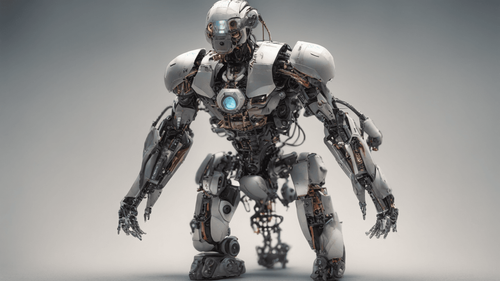
Introduction: Embracing the Robotic Revolution
In today's rapidly evolving technological landscape, one term that has become synonymous with innovation and progress is robotics technology. The fusion of artificial intelligence, engineering, and automation has given birth to a new era where robots are no longer just tools but partners in various domains, transforming the way we live and work. This article dives deep into the world of robotics technology, uncovering its multifaceted applications, benefits, and the exciting prospects it holds for the future.
Understanding Robotics Technology
Defining Robotics Technology
At its core, robotics technology refers to the interdisciplinary field that encompasses the design, construction, operation, and application of robots. These robots, equipped with sensors, processors, and actuators, are capable of performing tasks autonomously or semi-autonomously, mimicking human actions and decision-making processes.
Evolution of Robotics: From Mechanical Arms to AI-Powered Entities
The journey of robotics technology started with mechanical arms and industrial robots that revolutionized manufacturing processes. However, the integration of AI and machine learning has propelled robotics into a new realm, enabling robots to learn, adapt, and interact intelligently with their environment and humans.
Key Components of Robotics Systems
A typical robotics system comprises several key components, including sensors for perception, actuators for movement, control systems for decision-making, and end-effectors for task execution. These components work harmoniously to ensure seamless and efficient operation.
LSI Keyword: Robotics Engineering
Robots are the embodiment of robotics engineering, a discipline that combines mechanical, electrical, and software engineering to create machines that can perform tasks autonomously. Robotics engineering is pivotal in crafting the next generation of robots that push the boundaries of what's possible.
Applications of Robotics Technology
Revolutionizing Manufacturing and Automation
In the realm of manufacturing, robotics technology has ushered in a new era of automation. Robots are now responsible for intricate assembly, welding, painting, and quality control tasks, enhancing efficiency, precision, and reducing human error.
Enhancing Healthcare and Medical Procedures
Robotics technology has made remarkable strides in healthcare, aiding surgeons with precision during delicate procedures. Robotic-assisted surgeries, such as the Da Vinci Surgical System, offer unparalleled precision, smaller incisions, and reduced recovery times.
Exploring Robotic Exploration: Space and Beyond
Robots have become our eyes and hands in the cosmos. From Mars rovers to probes exploring distant planets, robotics technology has expanded our understanding of the universe and laid the foundation for potential extraterrestrial exploration.
Agricultural Automation for Sustainable Food Production
The agricultural sector benefits from robotics technology through automated processes such as planting, harvesting, and monitoring crops. These advancements contribute to increased yields, reduced resource wastage, and sustainable farming practices.
Logistics and Warehousing Optimization
In the logistics industry, robots are streamlining operations in warehouses and distribution centers. With capabilities in sorting, stacking, and order fulfillment, they are accelerating the delivery of goods while minimizing errors.
LSI Keyword: Robotic Process Automation (RPA)
Robotic Process Automation (RPA) is a subset of robotics technology that focuses on automating repetitive digital tasks. RPA bots are employed across industries to handle data entry, processing, and communication, freeing up human resources for more strategic endeavors.
Benefits and Impacts of Robotics Technology
Enhanced Efficiency and Productivity
One of the standout benefits of robotics technology is its ability to enhance efficiency across various sectors. Robots tirelessly perform tasks with precision and consistency, leading to increased productivity and reduced operational costs.
Improved Workplace Safety
In industries where hazardous conditions prevail, robots take on risky tasks, mitigating the potential harm to human workers. This not only ensures employee safety but also contributes to a positive work environment.
Empowering Skilled Workforce
Contrary to the fear of job displacement, robotics technology is creating a demand for a new breed of skilled workers proficient in robotics maintenance, programming, and supervision. This transition fuels continuous learning and upskilling.
LSI Keyword: Human-Robot Collaboration
The concept of human-robot collaboration embodies the harmonious interaction between humans and robots. Collaborative robots, or cobots, are designed to work alongside humans, leveraging their strengths while offering precision and automation.
Challenges and Future Trends
Ethical and Social Considerations
As robots become more integrated into our lives, ethical questions arise regarding their role, decision-making abilities, and potential impacts on employment dynamics. Striking a balance between technological advancement and ethical responsibility is imperative.
Advancements in AI and Machine Learning
The synergy between robotics technology and artificial intelligence is a driving force behind future advancements. AI-powered robots will possess enhanced learning capabilities, enabling adaptability to changing environments and tasks.
LSI Keyword: Robot Learning
Robot learning is a subfield that focuses on equipping robots with the ability to learn from experience, much like humans. Through reinforcement learning and neural networks, robots can acquire new skills and refine existing ones.
FAQs about Robotics Technology
How Does Robotics Technology Work?
Robotics technology combines mechanical engineering, electronics, and software programming. Sensors collect data from the environment, which is processed by onboard computers. The robot's control system uses this data to make decisions and command actuators for movement.
Can Robots Replace Human Jobs?
While robots excel in automating repetitive and dangerous tasks, human creativity, empathy, and complex decision-making remain irreplaceable. Instead of replacing jobs, robotics technology often transforms job roles, requiring reskilling and adaptation.
What Industries Benefit Most from Robotics Technology?
Industries such as manufacturing, healthcare, agriculture, logistics, and space exploration have embraced robotics technology for its efficiency, precision, and potential to navigate challenging environments.
LSI Keyword: Future of Robotics Technology
The future of robotics technology holds promises of more versatile and adaptable robots. With advancements in AI, robots will become more intuitive, capable of learning on their own, and seamlessly integrating into our daily lives.
Conclusion: Embracing the Robotic Revolution
In the ever-evolving landscape of technology, robotics technology stands as a beacon of innovation and transformation. From manufacturing to healthcare, from space exploration to logistics, its impact is far-reaching and continually expanding. As we navigate the challenges and opportunities presented by robotics technology, our ability to harness its potential while upholding ethical considerations will define the course of our technological future.