
Introduction
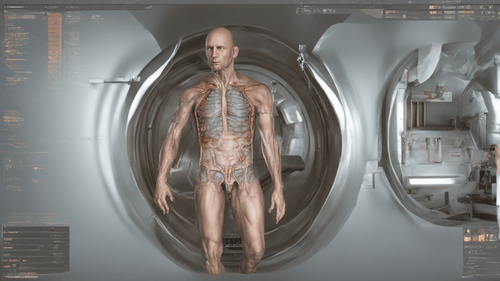
Are you intrigued by the world of medical imaging and technology? Becoming an MRI technologist could be your gateway to a fulfilling and dynamic career in the healthcare industry. MRI technologists play a crucial role in the diagnostic process, using cutting-edge technology to capture detailed images of the body's internal structures. In this comprehensive guide, we'll take you through the exciting journey of becoming an MRI technologist, from the role's responsibilities to the educational path and the skills you need to excel in this field.
MRI Technologist: Exploring the Role
Understanding the Role of an MRI Technologist
MRI technologists are skilled professionals responsible for operating magnetic resonance imaging (MRI) machines. They work closely with physicians and radiologists to capture detailed images of organs, tissues, and bones. These images aid in the diagnosis and treatment of various medical conditions.
Key Responsibilities of an MRI Technologist
MRI technologists prepare patients for scans, explain procedures, and ensure their comfort and safety throughout the process. They position patients correctly, operate the MRI equipment, and monitor the imaging process to produce high-quality images.
Collaboration and Communication Skills
MRI technologists collaborate with other healthcare professionals, including radiologists and physicians. Strong communication skills are essential to understand the specific imaging needs, discuss patient history, and convey important information effectively.
Education and Pathways
Educational Requirements
To become an MRI technologist, you typically need an associate's degree in radiologic technology or a related field. Many technologists start their careers as radiologic technologists before specializing in MRI.
Certification and Licensure
Certification is a crucial step in establishing your expertise as an MRI technologist. The American Registry of Radiologic Technologists (ARRT) offers certification in MRI. Some states also require licensure, so be sure to research the regulations in your area.
Continuing Education
The field of medical imaging is rapidly evolving, and staying up-to-date with the latest advancements is essential. Engaging in continuing education programs and attending workshops ensures you maintain your expertise and provide the best possible patient care.
Developing Essential Skills
Technical Proficiency
MRI technologists must have a deep understanding of MRI equipment, including its operation, maintenance, and troubleshooting. Mastery of these technical aspects is vital for obtaining accurate images and ensuring patient safety.
Patient Care and Empathy
Providing exceptional patient care is at the heart of an MRI technologist's role. Compassion, empathy, and the ability to alleviate patient concerns contribute to a positive experience during the imaging process.
Attention to Detail
The intricate nature of MRI imaging requires a keen eye for detail. Technologists must carefully position patients, adjust settings, and monitor scans to capture precise images for accurate diagnosis.
Problem-Solving Abilities
In the fast-paced environment of a medical facility, unexpected challenges can arise. MRI technologists need strong problem-solving skills to address technical issues, patient discomfort, or other unforeseen situations.
FAQs: Your Questions Answered
What is the Difference Between an MRI Technologist and a Radiologic Technologist?
MRI technologists specialize in operating MRI machines to create detailed images of internal structures, while radiologic technologists perform various imaging procedures, including X-rays and CT scans.
How Long Does It Take to Become an MRI Technologist?
The educational path to becoming an MRI technologist usually takes around two years, including the completion of an associate's degree program and obtaining necessary certifications.
What Are the Job Prospects for MRI Technologists?
The demand for MRI technologists is projected to grow due to the increasing need for medical imaging in healthcare facilities. This growth offers promising job prospects for aspiring technologists.
Is MRI Technologist a Lucrative Career Option?
Yes, MRI technologists enjoy competitive salaries and benefits, making it a rewarding career choice. The exact earning potential may vary based on factors like experience, location, and specialization.
How Does MRI Technology Benefit Patient Diagnosis?
MRI technology provides detailed and non-invasive images of the body's internal structures. This level of visualization aids physicians in accurately diagnosing a wide range of medical conditions.
What is the Future of MRI Technology?
The future of MRI technology holds exciting possibilities, including higher resolution imaging, faster scan times, and enhanced patient comfort through technological advancements.
Conclusion
Becoming an MRI technologist is a journey filled with opportunities to make a significant impact on patient care and diagnosis. By embracing the responsibilities, acquiring the necessary education and skills, and staying updated with the latest advancements, you can embark on a fulfilling career that combines cutting-edge technology with compassionate patient care. If you're passionate about healthcare and technology, consider taking the path to becoming an MRI technologist—it's a decision that holds the promise of expertise, growth, and a rewarding profession.
(Author's Note: The information provided in this article is based on industry standards and practices as of the publication date. For the most current and accurate information, readers are encouraged to refer to authoritative sources and professional organizations.)