
Introduction
In the fast-evolving landscape of medical professions, the role of a Cath Lab Technician stands out as a crucial and dynamic field. These skilled professionals play a vital role in cardiovascular healthcare by assisting cardiologists during diagnostic and interventional procedures. In this guide, we will explore the exciting and impactful career path of a cath lab technician, the education and skills required, the responsibilities they shoulder, and the challenges they overcome. Whether you're considering entering the field or seeking to learn more about these unsung healthcare heroes, this guide will provide valuable insights.
Becoming a Cath Lab Technician: An Overview
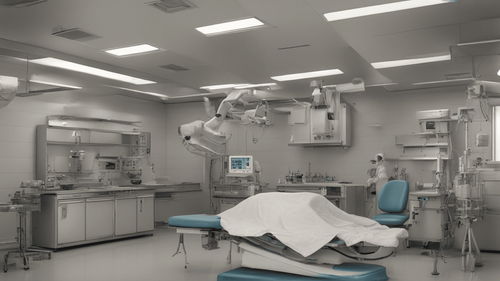
Before delving into the intricacies of this profession, let's begin by understanding what a cath lab technician does. A cath lab technician, also known as a cardiovascular technologist, specializes in operating the equipment and machinery used in the cardiac catheterization laboratory (cath lab). This lab is a specialized area within a hospital where various procedures are performed to diagnose and treat heart conditions. Cath lab technicians are responsible for preparing and assisting during these procedures, ensuring the patient's safety, and maintaining the equipment.
Education and Training
To embark on the journey of becoming a cath lab technician, a solid educational foundation is crucial. Most employers require at least an associate's degree in cardiovascular technology or a related field. This comprehensive training equips individuals with the knowledge of cardiovascular anatomy, medical terminology, and the principles of invasive cardiology. Additionally, acquiring certifications such as the Registered Cardiovascular Invasive Specialist (RCIS) credential further enhances your credibility and employability.
Essential Skills for Success
A successful cath lab technician possesses a combination of technical skills, interpersonal abilities, and attention to detail. These skills ensure the smooth execution of procedures and contribute to patient comfort and safety.
- Technical Proficiency: Mastery of cath lab equipment, including X-ray machines, fluoroscopes, and monitoring devices, is essential.
- Critical Thinking: The ability to analyze complex situations during procedures and make quick decisions is crucial.
- Communication Skills: Effective communication with patients, cardiologists, and fellow healthcare professionals fosters a collaborative environment.
- Attention to Detail: Precise observation and accurate documentation are necessary for maintaining patient records and equipment functionality.
- Stress Management: Cath lab procedures can be intense; the capacity to remain calm under pressure is invaluable.
Day-to-Day Responsibilities
The daily routine of a cath lab technician is diverse and demanding. From preparing the cath lab for procedures to ensuring the patient's comfort and safety, these professionals play an integral role in the healthcare ecosystem.
- Setting Up: Cath lab technicians sterilize and organize equipment, ensuring a sterile environment for procedures.
- Assisting Procedures: During procedures like angiograms or stent placements, they assist cardiologists by handling instruments and monitoring patients.
- Patient Care: They explain procedures to patients, alleviate their concerns, and ensure they are comfortable throughout.
- Emergency Response: In critical situations, cath lab technicians are prepared to provide life-saving assistance.
- Equipment Maintenance: Technicians maintain and troubleshoot equipment to ensure its optimal performance.
Career Advancement and Opportunities
The career trajectory for cath lab technicians is promising. As experience and expertise grow, professionals may move into supervisory roles, become lead technologists, or specialize in specific procedures. Additionally, opportunities for continuing education and specialization open doors to areas like electrophysiology or echocardiography.
FAQs
Q: How long does it take to become a cath lab technician? A: The educational path usually takes around 2 years for an associate's degree, while a bachelor's program can extend the timeline to 4 years.
Q: What is the average salary for cath lab technicians? A: The median annual wage for cardiovascular technologists and technicians, including cath lab technicians, was $58,730 in May 2021.
Q: Is the demand for cath lab technicians growing? A: Yes, the demand is expected to grow due to the aging population and the prevalence of heart-related conditions.
Q: Can I specialize in a particular type of procedure as a cath lab technician? A: Yes, as you gain experience, you can specialize in areas like electrophysiology, where you work with the heart's electrical activities.
Q: How important is communication in this role? A: Communication is paramount, as you need to convey procedure details to patients and collaborate effectively with the medical team.
Q: What are the challenges of being a cath lab technician? A: Challenges include managing high-stress situations, maintaining long periods of focus, and dealing with potential health risks associated with X-ray exposure.
Conclusion
Becoming a cath lab technician is an exciting and fulfilling journey that requires dedication, education, and a blend of technical and interpersonal skills. These healthcare professionals contribute significantly to diagnosing and treating heart conditions, playing a pivotal role in improving patients' quality of life. As the field of cardiovascular healthcare continues to evolve, the demand for skilled cath lab technicians remains strong. If you're intrigued by a dynamic career that combines cutting-edge technology with patient care, this profession could be your calling. So, why not embark on this rewarding path and become a valued cath lab technician?