
Introduction
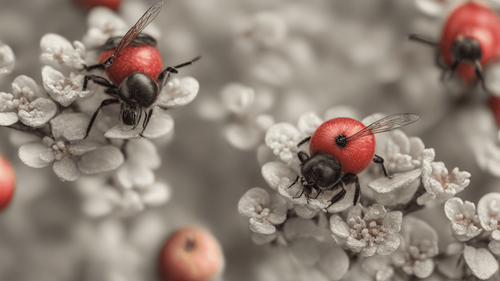
Bees have long been admired for their vital role in pollination, sustaining plant life and the global food chain. Among these pollinators, apple bees stand out as a remarkable and intriguing species. In this comprehensive article, we dive into the captivating universe of apple bees, delving into their behaviors, habitat, and significant role in the ecosystem. Let's embark on a journey to uncover the secrets of these tiny yet mighty creatures.
Apple Bees: An Overview
Apple bees, scientifically known as Apis malus, are a subspecies of honey bees that exhibit a distinct preference for apple blossoms during their foraging activities. These bees play a pivotal role in the reproduction of apple trees, making them indispensable to orchards and the fruit industry as a whole. Let's explore their characteristics and behaviors that make them a unique and essential contributor to our ecosystem.
Life Cycle of Apple Bees
Apple bees undergo a fascinating life cycle that comprises distinct stages: from egg to adult bee. This cycle is tightly intertwined with the apple tree's blooming period, ensuring a synchronized partnership between the bees and the blossoms. Let's delve into each stage of their life cycle:
Egg Stage
At this initial stage, the apple bee queen lays eggs within individual cells of the honeycomb. These eggs hatch into larvae after a few days.
Larval Stage
The larvae are meticulously cared for by worker bees, who feed them a nutrient-rich substance known as "royal jelly." This diet propels their growth and development.
Pupal Stage
During this stage, the larva transforms into a pupa within a capped cell. Metamorphosis occurs as the pupa develops various body structures, eventually emerging as an adult bee.
Adult Stage
Upon emergence, the adult apple bee joins the hive's workforce. Their primary tasks include foraging for nectar and pollen, caring for the brood, and defending the hive.
The Orchards' Dance: Apple Bees and Pollination
Apple bees' unique foraging behavior and affinity for apple blossoms make them instrumental pollinators for apple trees. As these bees flit from one blossom to another, they transfer pollen, enabling the fertilization of apple flowers and the subsequent formation of fruits. This intricate dance between bees and blossoms showcases the delicate balance of nature's symbiotic relationships.
Apple Bees' Habitat and Range
Apple bees thrive in a variety of habitats, from orchards and gardens to wild grasslands. Their range extends across diverse geographical locations, adapting to varying climates and ecosystems. This adaptability underscores their resilience and essential role in maintaining biodiversity.
The Connection between Apple Bees and Biodiversity
The presence of apple bees in different ecosystems fosters biodiversity by aiding in the reproduction of various flowering plants. Their diligent pollination activities contribute to the survival of plant species, subsequently supporting a wide array of animal life that depends on these plants for sustenance.
The Apple Bee's Waggle Dance: Communication Unveiled
Communication among bees is a complex and intricate phenomenon. Apple bees employ a remarkable communication method known as the "waggle dance." This intricate dance conveys information about the location of food sources, enabling fellow hive members to efficiently locate and exploit these resources.
Apple Bees in Peril: Conservation Concerns
Despite their vital ecological role, apple bees, like many pollinators, face numerous challenges that threaten their populations. Pesticide exposure, habitat loss, climate change, and diseases have collectively contributed to a decline in bee numbers. Addressing these challenges is crucial to ensuring the survival of apple bees and maintaining a balanced ecosystem.
FAQs About Apple Bees
How Do Apple Bees Contribute to Agriculture?
Apple bees' pollination activities are vital to the agricultural sector, ensuring healthy apple yields and supporting crop production.
What Makes Apple Bees Unique Among Pollinators?
Apple bees' specialized preference for apple blossoms and their efficient pollination behavior set them apart from other pollinator species.
Are Apple Bees Aggressive?
Apple bees are generally not aggressive and are more focused on foraging and pollination tasks rather than defensive actions.
How Can I Support Apple Bee Conservation?
You can contribute to apple bee conservation by planting bee-friendly flowers, avoiding pesticide use, and supporting local initiatives focused on pollinator protection.
Do Apple Bees Produce Honey?
While apple bees primarily focus on pollination, they do produce small amounts of honey. However, their honey production is not as substantial as that of other honey bee species.
Why Are Apple Bees Essential to Ecosystems?
Apple bees play a crucial role in maintaining biodiversity by pollinating various plant species, which in turn support diverse animal life and ecosystem health.
Conclusion
In the intricate tapestry of nature, apple bees emerge as unsung heroes, diligently pollinating apple blossoms and contributing to the balance of ecosystems. Their unique behaviors, intricate dances, and vital role in sustaining biodiversity underscore their significance. As we navigate the challenges of conserving pollinators, it is imperative to recognize and appreciate the invaluable role that apple bees play in shaping our world. Let us embrace the journey of understanding, protecting, and celebrating these tiny yet mighty creatures, the apple bees.