
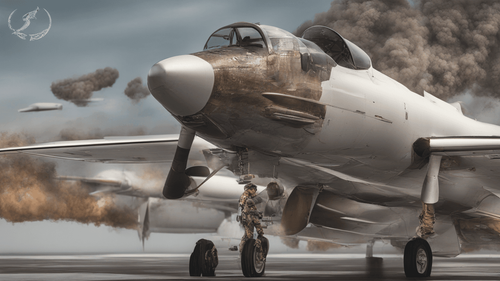
In today's fast-paced world of aviation, ensuring the safety and efficiency of aircraft operations is of paramount importance. One of the driving forces behind this achievement is the continual evolution of aircraft maintenance technology. From groundbreaking diagnostic tools to real-time monitoring systems, aircraft maintenance technology has undergone remarkable transformations that have reshaped the industry. In this comprehensive guide, we delve into the fascinating realm of aircraft maintenance technology, exploring its various facets, benefits, challenges, and future prospects.
Aircraft Maintenance Technology: Navigating the Skies of Progress
The aviation industry has come a long way since the Wright brothers' historic flight. With the development of cutting-edge aircraft maintenance technology, the skies are becoming safer and operations more efficient than ever before.
Innovative Diagnostic Solutions: Paving the Way for Precision Maintenance
In the heart of aircraft maintenance technology lies a suite of innovative diagnostic solutions that enable engineers and technicians to pinpoint issues with unprecedented accuracy. These solutions, including advanced sensor systems and predictive analytics, are a game-changer for maintenance practices.
Real-Time Monitoring and Prognostics: Preventing Failures Before They Occur
Gone are the days when aircraft maintenance relied solely on manual inspections. Real-time monitoring and prognostic systems offer a proactive approach to maintenance by constantly assessing the health of aircraft components and predicting potential failures.
Data-Driven Insights: Revolutionizing Decision-Making Processes
The utilization of data analytics in aircraft maintenance technology has revolutionized decision-making processes. By analyzing vast amounts of operational data, airlines and maintenance crews can make informed choices that lead to increased efficiency and reduced downtime.
Enhanced Customer Understanding: Elevating Passenger Experience
Aircraft maintenance technology doesn't just benefit aviation professionals—it also enhances the passenger experience. By minimizing delays and cancellations, this technology ensures smoother journeys for travelers, increasing customer satisfaction.
Sustainable Maintenance Practices: Reducing Environmental Impact
As the world embraces sustainability, the aircraft maintenance industry is also striving to reduce its environmental footprint. Eco-friendly maintenance practices, supported by technology, are enabling airlines to operate more sustainably.
Navigating Challenges: Balancing Innovation with Safety
While aircraft maintenance technology brings forth numerous advantages, it's not without its challenges. Striking the right balance between innovation and safety remains a crucial aspect of its implementation.
Cybersecurity Concerns: Safeguarding Critical Systems
With increasing digitization comes the pressing need to protect aircraft systems from cyber threats. Aircraft maintenance technology must prioritize cybersecurity measures to prevent potential breaches that could compromise flight safety.
Skill Upgradation: Equipping Workforce for the Future
As technology evolves, the aviation workforce must continuously update its skills to keep up with the latest developments. Training programs and education initiatives are essential to ensure technicians can effectively operate and maintain advanced systems.
Integration Complexities: Ensuring Seamless Implementation
Integrating new aircraft maintenance technology with existing systems can be a complex endeavor. Ensuring seamless compatibility and functionality requires careful planning and coordination.
Regulatory Compliance: Adapting to Changing Standards
The aviation industry operates within a highly regulated framework. As aircraft maintenance technology evolves, it must align with changing regulatory standards to maintain safety and compliance.
FAQs: Clearing the Air About Aircraft Maintenance Technology
What exactly is aircraft maintenance technology? Aircraft maintenance technology encompasses a range of tools, systems, and practices used to inspect, repair, and ensure the airworthiness of aircraft.
How does predictive maintenance work? Predictive maintenance utilizes data analysis and real-time monitoring to predict potential failures and maintenance needs before they occur, reducing unscheduled downtime.
Is aircraft maintenance technology only for commercial airlines? No, aircraft maintenance technology benefits various sectors, including military aviation, private aviation, and cargo transportation.
What role does AI play in aircraft maintenance? Artificial intelligence (AI) powers predictive analytics, data analysis, and automation in aircraft maintenance, enabling more efficient operations.
How does aircraft maintenance technology contribute to safety? By identifying potential issues early and enabling proactive maintenance, aircraft maintenance technology enhances safety by preventing unexpected failures.
What's the future of aircraft maintenance technology? The future holds exciting possibilities, including even more advanced diagnostic tools, increased automation, and integration with emerging technologies like 5G.
Conclusion: Navigating the Future Skies with Confidence
In the dynamic world of aviation, embracing aircraft maintenance technology is not just an option—it's a necessity. This technology's ability to enhance safety, efficiency, and sustainability is reshaping the industry. As we look toward the future, the skies appear clearer and more promising, thanks to the innovations in aircraft maintenance technology.
Embrace the transformation, leverage the advancements, and ensure that the next flight you take is powered by the cutting-edge technology that keeps aviation soaring to new heights.
Explore more about the revolutionary advancements in aviation and technology at AeroTechHub. Stay informed, stay ahead.