
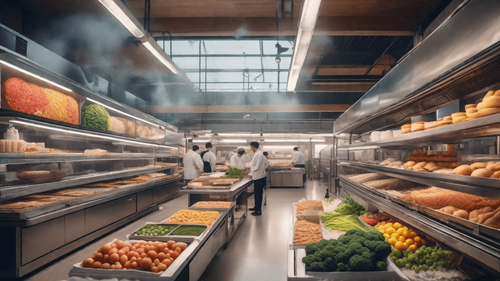
In a world where technology is advancing at an unprecedented pace, the food industry is no exception. Food tech startups have emerged as a force to be reckoned with, revolutionizing the way we produce, distribute, and consume food. From farm to fork, these startups are driving innovation, sustainability, and efficiency in the food sector. In this in-depth exploration of food tech startups, we will delve into their role, impact, and the exciting future they are shaping.
Food Tech Startups: A New Frontier
The landscape of the food industry is ever-evolving, and food tech startups are at the forefront of this transformation. But what exactly are these startups, and how do they differ from traditional players in the food sector?
Defining Food Tech Startups
Food tech startups are entrepreneurial ventures that leverage technology to disrupt and improve various aspects of the food supply chain. They encompass a wide range of innovations, from sustainable agriculture and food processing to online meal delivery platforms and cutting-edge culinary experiences.
The Key Players in Food Tech Startups
To understand the impact of food tech startups, it's crucial to identify the key players driving this revolution. These startups can be categorized into several distinct segments, each addressing specific challenges and opportunities within the food industry.
1. Sustainable Agriculture Innovators
Vertical Farming: Growing Upward for a Greener Future
Vertical farming is a prime example of how food tech startups are redefining agriculture. By cultivating crops in vertically stacked layers, these startups maximize space, reduce water consumption, and minimize the need for pesticides. This innovative approach holds the promise of a more sustainable and efficient way to grow food.
Precision Agriculture: Smart Farming for Higher Yields
Precision agriculture startups harness the power of data and technology to optimize farming practices. By using sensors, drones, and AI-driven analytics, they enable farmers to make data-informed decisions, leading to higher crop yields, reduced waste, and improved resource management.
2. Food Processing Pioneers
Clean Label Ingredients: Redefining Food Formulation
Clean label food tech startups focus on creating food products with transparent and minimalistic ingredient lists. By replacing artificial additives and preservatives with natural alternatives, they cater to the growing demand for healthier and more wholesome options.
Plant-Based Innovations: The Rise of Alternative Proteins
The plant-based food movement has gained tremendous momentum, thanks in part to startups developing delicious meat and dairy alternatives. These companies are not only catering to vegans and vegetarians but also enticing carnivores with sustainable and eco-friendly options.
3. Food Delivery and Meal Services
Online Meal Kits: Cooking Made Convenient
Online meal kit startups have changed the way people cook at home. They deliver pre-portioned ingredients and recipes to your doorstep, making it easy for even the busiest individuals to prepare delicious meals from scratch.
Food Delivery Apps: The Convenience Revolution
Food delivery apps have become an integral part of our lives, especially during the COVID-19 pandemic. Startups in this space have transformed the restaurant industry, offering a wide array of cuisines at our fingertips.
4. Culinary Technology Innovations
Smart Kitchen Appliances: A Chef's Best Friend
Food tech startups are introducing smart kitchen appliances equipped with AI and IoT capabilities. These devices assist home chefs in preparing restaurant-quality dishes, taking the guesswork out of cooking.
Virtual Restaurants: A Digital Dining Experience
Virtual restaurants, often run from shared kitchens, are another innovative concept. These startups enable chefs to experiment with new cuisines and concepts, reaching a wider audience through food delivery platforms.
The Impact of Food Tech Startups
Food tech startups are not just disrupting traditional norms; they are also addressing critical global challenges. Let's explore the profound impact they are having on various aspects of the food industry.
Sustainability and Environmental Impact
Reducing Food Waste: A Global Imperative
Food waste is a pressing issue worldwide, and food tech startups are tackling it head-on. Through innovations like food surplus redistribution platforms and intelligent packaging solutions, these startups are helping to reduce the staggering amount of food that goes to waste each year.
Carbon-Neutral Initiatives: A Greener Tomorrow
Sustainability is at the core of many food tech startups' missions. They are committed to reducing their carbon footprint through eco-friendly packaging, renewable energy sources, and sustainable farming practices.
Consumer Convenience and Choice
Personalized Nutrition: Tailoring Diets to Individuals
Startups are leveraging data analytics to offer personalized nutrition recommendations. By understanding individual dietary needs and preferences, they are empowering consumers to make healthier choices.
Food Transparency: Knowing What You Eat
In an era of increasing concern about food safety and authenticity, startups are using blockchain technology to provide consumers with transparent and verifiable information about the origin and journey of their food.
Economic Growth and Job Creation
Empowering Small-Scale Producers
Food tech startups often collaborate with small-scale farmers and producers, providing them with access to larger markets and fair pricing. This has a positive ripple effect on local economies and job creation.
Innovation Hubs: Nurturing Entrepreneurship
Startup ecosystems are thriving in the food tech sector, fostering innovation and entrepreneurship. They provide aspiring food entrepreneurs with mentorship, resources, and funding opportunities.
Challenges and Future Outlook
While food tech startups have made remarkable strides, they face their fair share of challenges. From regulatory hurdles to market saturation, the path ahead is not without obstacles. Nevertheless, their role in shaping the future of the food industry remains pivotal.
Regulatory Complexities: Navigating a Complex Landscape
The food industry is heavily regulated to ensure safety and quality. Food tech startups must navigate these complex regulatory frameworks, which can be a daunting task for newcomers.
Competition and Consolidation: The Battle for Market Share
As the food tech sector continues to grow, competition among startups intensifies. Consolidation through mergers and acquisitions is becoming a common strategy for startups looking to expand their reach and market share.
The Road Ahead: What Lies Beyond
The future of food tech startups is incredibly promising. As technology continues to advance, we can expect even more groundbreaking innovations in sustainable agriculture, food processing, and consumer experiences.
FAQs
What Are the Key Drivers of Food Tech Startup Growth?
The key drivers of food tech startup growth include increased consumer demand for sustainability, convenience, and transparency, as well as advancements in technology, such as AI and blockchain.
How Do Food Tech Startups Impact Traditional Food Businesses?
Food tech startups are forcing traditional food businesses to adapt and innovate to remain competitive. Many established companies are investing in or partnering with startups to stay relevant.
Are Food Tech Startups Addressing Global Food Security Issues?
Yes, food tech startups play a crucial role in addressing global food security issues. Their innovations in agriculture and food production contribute to more efficient and sustainable food systems.
What Are the Main Sustainability Initiatives of Food Tech Startups?
Sustainability initiatives of food tech startups include reducing food waste, adopting carbon-neutral practices, and promoting eco-friendly packaging and sourcing.
How Can Consumers Benefit from Food Tech Startups?
Consumers can benefit from food tech startups through increased access to personalized nutrition, convenient meal solutions, and transparent information about the food they consume.
What Is the Role of Government and Regulations in the Food Tech Startup Ecosystem?
Governments play a critical role in ensuring food safety and consumer protection. They regulate the food tech startup ecosystem to maintain quality standards and protect public health.
Conclusion
In the ever-evolving world of food tech startups, innovation, sustainability, and consumer empowerment are at the forefront. These startups are reshaping the food industry, offering new possibilities for sustainable agriculture, improved food processing, and enhanced culinary experiences. While challenges remain, the future holds great promise for food tech startups as they continue to drive positive change in the way we produce, distribute, and enjoy our food.
So, whether you're a tech enthusiast, a foodie, or someone concerned about the future of our planet, keep an eye on the dynamic world of food tech startups – they are cooking up something extraordinary for us all.
Disclaimer: The views and opinions expressed in this article are those of the author and do not necessarily reflect the official policy or position of Roy+.