
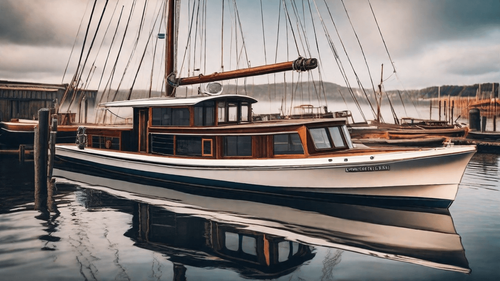
In the vast ocean of the maritime industry, a Boat Company CEO serves as the captain, steering their organization through the tumultuous waters of competition, innovation, and sustainability. The responsibilities and challenges that come with this prestigious position are immense. This article delves deep into the world of boat company CEOs, offering insights into their roles, expertise, and the strategies they employ to navigate towards success.
Boat Company CEO: Setting Sail in Leadership
A Boat Company CEO, often regarded as the helmsman of a maritime enterprise, plays a pivotal role in ensuring the company's smooth sail. Their responsibilities encompass a wide array of functions, from strategic planning to fostering a culture of safety and excellence.
Key Duties and Responsibilities
-
Strategic Visionary: At the helm of a boat company, CEOs are responsible for setting the strategic direction of the organization. They must possess the foresight to anticipate market trends and adapt accordingly.
-
Resource Allocation: Efficient allocation of resources, both human and financial, is crucial. CEOs must make informed decisions to optimize their company's performance.
-
Regulatory Compliance: Navigating the complex web of maritime regulations is an ongoing task. CEOs must ensure their company remains compliant with international and local laws.
-
Safety and Quality Assurance: Ensuring the safety of crew, passengers, and cargo is paramount. CEOs must uphold rigorous safety and quality standards.
-
Financial Stewardship: Managing finances and budgets is a critical aspect of the role. CEOs must make financially sound decisions to ensure the company's profitability.
-
Innovation and Technology: Embracing technological advancements is vital for staying competitive. CEOs must spearhead innovation initiatives.
-
Market Expansion: Exploring new markets and business opportunities is essential for growth. CEOs must identify untapped potential and expansion strategies.
The Expertise of a Boat Company CEO
To excel in their roles, boat company CEOs need a diverse skill set and a deep understanding of the maritime industry. Their expertise goes beyond steering the ship; it extends to leadership, industry knowledge, and the ability to adapt to change.
Leadership Prowess
A successful CEO must possess strong leadership qualities. They need to inspire their team, communicate a compelling vision, and foster a culture of collaboration and innovation.
Maritime Industry Knowledge
In-depth knowledge of the maritime industry is non-negotiable. CEOs must understand the complexities of shipping, logistics, regulations, and global trade dynamics.
Adaptability and Resilience
The maritime industry is no stranger to volatility. CEOs must exhibit resilience in the face of challenges and adapt swiftly to changing circumstances.
Strategic Thinking
Strategic thinking is at the core of a CEO's role. They must be able to formulate long-term strategies that ensure the company's sustainability and growth.
Risk Management
Navigating the open sea involves inherent risks. CEOs must be adept at identifying and mitigating risks to protect their company's interests.
Strategies for Success
Achieving success in the maritime industry requires a strategic approach. Boat company CEOs employ a range of strategies to ensure their companies not only stay afloat but thrive.
Global Expansion
Expanding into international markets can open up new revenue streams. CEOs strategize on how to enter and establish a presence in global markets.
Environmental Sustainability
In today's world, environmental responsibility is paramount. CEOs lead efforts to minimize their company's environmental footprint through innovative technologies and sustainable practices.
Fleet Modernization
Updating and modernizing the company's fleet is crucial for efficiency and competitiveness. CEOs oversee fleet upgrades and investments.
Safety First
Safety is a top priority in the maritime industry. CEOs invest in training and technology to enhance safety measures.
Customer-Centric Approach
A satisfied customer base is the bedrock of success. CEOs focus on delivering exceptional customer experiences to build loyalty and trust.
Collaborative Partnerships
Forming strategic partnerships with suppliers, logistics providers, and other stakeholders is a key strategy for CEOs to streamline operations and reduce costs.
Frequently Asked Questions
What qualifications are typically required to become a Boat Company CEO?
To become a Boat Company CEO, one typically needs a bachelor's or master's degree in business administration, maritime management, or a related field. Additionally, extensive experience in the maritime industry, leadership skills, and a track record of success are essential.
What challenges do Boat Company CEOs commonly face?
Boat Company CEOs face challenges such as navigating complex regulations, fluctuating fuel prices, competition, and environmental concerns. They must also adapt to changing market dynamics and global trade patterns.
How do Boat Company CEOs ensure safety at sea?
Boat Company CEOs prioritize safety through rigorous training programs, state-of-the-art technology, and adherence to international safety standards. They also collaborate with industry organizations and regulatory bodies to stay updated on safety protocols.
What role does innovation play in the maritime industry under the leadership of CEOs?
Innovation is crucial in the maritime industry to enhance efficiency and reduce environmental impact. CEOs spearhead innovation by investing in new technologies, such as fuel-efficient engines and digital navigation systems.
How do Boat Company CEOs contribute to environmental sustainability?
CEOs play a vital role in environmental sustainability by implementing eco-friendly practices, such as using cleaner fuels, reducing emissions, and exploring alternative energy sources like wind and solar power.
What is the future outlook for Boat Company CEOs in the maritime industry?
The future for Boat Company CEOs looks promising, with opportunities for growth in international markets, increased focus on sustainability, and advancements in technology. CEOs who can adapt to these changes are poised for success.
Conclusion
In the maritime industry, the role of a Boat Company CEO is one of immense responsibility and leadership. These captains of industry must possess a unique blend of skills, industry knowledge, and strategic thinking to navigate their companies towards success. As they steer their ships through the ever-changing waters of the maritime industry, Boat Company CEOs continue to shape the future of this vital sector.
This concludes our exploration of the world of Boat Company CEOs, the experts who chart the course for maritime excellence. Their dedication to safety, innovation, and sustainability ensures the industry sails towards a brighter and more prosperous future.